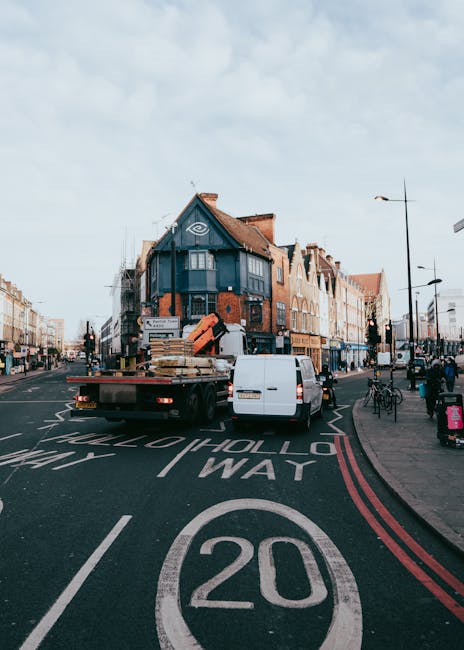
If you are planning a flat move around Rye Lane, you probably already know the shape of the challenge: tight streets, awkward parking, stairs that seem to go on forever, and a moving day that can turn messy very quickly. This case study Rye Lane flat move with local man and van Peckham looks at what a well-planned local move actually involves, why a nearby team can make a real difference, and how to avoid the little problems that chew up time and patience.
Truth be told, most flat moves are not difficult because they are huge. They are difficult because of the small details. A missing parking space. A sofa that will not quite turn the corner. A fragile lamp that needs more care than you expected. The good news? With the right preparation and a reliable local man and van setup, a Rye Lane move can feel controlled rather than chaotic.
In the sections below, you will find a practical breakdown of how these moves work, who they suit, what to watch for, and how to get better results without overcomplicating the day.
Table of Contents
- Why Case study Rye Lane flat move with local man and van Peckham Matters
- How Case study Rye Lane flat move with local man and van Peckham Works
- Key Benefits and Practical Advantages
- Who This Is For and When It Makes Sense
- Step-by-Step Guidance
- Expert Tips for Better Results
- Common Mistakes to Avoid
- Tools, Resources and Recommendations
- Law, Compliance, Standards, or Best Practice
- Options, Methods, or Comparison Table
- Case Study or Real-World Example
- Practical Checklist
- Conclusion
- Frequently Asked Questions
Why Case study Rye Lane flat move with local man and van Peckham Matters
Rye Lane is one of those places where local knowledge matters more than people think. A move that looks simple on paper can become awkward if the vehicle cannot stop where you expected, the stairs are narrower than they looked in the viewing, or the route in and out needs a bit of planning. That is exactly why a local man and van service is so useful here. It is not just transport. It is timing, judgement, loading order, access awareness, and knowing the local rhythm of the area.
For flat moves, especially, the real value lies in flexibility. You might only need a single load, or you might need multiple trips with a careful hand. A smaller, local vehicle can often fit into streets and access points that larger removals vehicles struggle with. That can save time, reduce stress, and lower the chance of rushed lifting. And let's face it, nobody wants to be carrying a wardrobe halfway down a stairwell while traffic queues behind them.
It also matters because flat moves often involve shared spaces. Communal hallways, shared entrances, lift use, neighbours passing through, and a need to keep things tidy and swift. A local mover who understands that flow can keep the move polite as well as efficient. That sounds minor, but it really is not. Good moving etiquette goes a long way in Peckham.
For anyone comparing providers, it helps to look beyond the van itself. You want clear pricing, sensible communication, and a service that feels organised from the start. A useful place to begin is the company's pricing and quotes information, because a move goes much more smoothly when the cost and scope are understood early.
How Case study Rye Lane flat move with local man and van Peckham Works
A local man and van move for a Rye Lane flat usually follows a straightforward pattern. The difference is in how carefully each stage is handled. In practice, the process often begins with an assessment of what needs moving, where it is going, and what access looks like at both ends. That may sound basic, but it is the part that prevents last-minute surprises.
Here is the simple version. First, the customer shares the move details: number of items, floor level, parking situation, heavy furniture, fragile items, and whether help with packing or loading is required. Then the mover confirms the plan, timing, and likely van size. On moving day, the team arrives, reviews the load, protects vulnerable items, and begins shifting boxes and furniture in an order that makes sense for space and speed.
In a flat move, loading order matters a lot. You do not want to bury a mattress under ten boxes of books and then realise it needs to come out first at the other end. That kind of thing can slow everything down. A better approach is to load the van with the exit sequence in mind: larger furniture first, awkward items secured safely, then lighter boxes stacked where they will not slide about.
There is also the question of access. For Rye Lane flats, the mover may need to think about doorway clearance, stair angles, parking distance, and whether a quick carry from kerb to entrance is realistic. This is where local experience helps. A team used to Peckham streets tends to make better calls on timing and access, especially during busier parts of the day.
If you are checking trust signals before booking, it is sensible to read the company's about us page so you understand who is behind the service and how they work. That little bit of homework can save a headache later.
Key Benefits and Practical Advantages
There are several real benefits to choosing a local man and van for a Rye Lane flat move, and they are not all obvious at first glance.
- Local familiarity: The driver understands the streets, parking patterns, and likely access pinch points.
- Better flexibility: Smaller moves can often be scheduled more efficiently than with a large removal team.
- Less disruption: Faster loading and shorter carry distances can reduce the impact on neighbours and shared spaces.
- More personal service: You are usually dealing with a smaller team, which can mean clearer communication.
- Good fit for compact moves: Ideal for studios, one-bedroom flats, student moves, and partial relocations.
- Practical cost control: When the job is well defined, you avoid paying for more vehicle or labour than you need.
One of the most underrated benefits is simply peace of mind. When you know the mover is local and used to the area, you do not have to spend all morning wondering whether they will find the property, whether the van will fit, or whether they have misread the access situation. That sounds small. It is not. Moving day is full of small things.
Another advantage is speed. Not rushed speed, but efficient speed. A local operator can often work with more confidence because they already know the neighbourhood dynamics. That can make the whole day feel lighter, which, oddly enough, helps you make better decisions too.
Practical summary: The best Rye Lane flat moves are usually the ones that are planned around access, load order, and timing rather than just vehicle size. A local man and van service can be the right fit when you need flexibility without the overhead of a larger removal crew.
Who This Is For and When It Makes Sense
This kind of service is a strong fit for people who want a sensible, no-nonsense move rather than a big formal removals operation. If your move is compact, time-sensitive, or slightly awkward to access, a man and van team often makes more sense than booking a larger lorry with more people than you need.
It is particularly useful for:
- tenants moving in or out of flats on Rye Lane or nearby Peckham streets
- students shifting between accommodation and family homes
- people moving a few key items rather than a whole house
- landlords or agents arranging quick flat turnovers
- couples combining belongings into a smaller home
- anyone with fragile or awkward items that need careful handling
It also makes sense when the move is not huge, but the access is tricky. Maybe you have a top-floor flat, no lift, limited waiting space, and a sofa that arrived in your life before you realised how many stairs you had. A local van and a helpful pair of hands can be exactly what you need.
There are times when it may not be enough, though. If you are moving an entire multi-bedroom property with lots of furniture, you may need a larger removals setup. The point is to match the service to the actual job, not the job you wish you were doing. Small distinction. Big difference.
Step-by-Step Guidance
If you want a smoother Rye Lane flat move, follow a simple sequence. This is where many people overcomplicate things, usually by leaving packing until the last evening and then wondering why everything feels a bit frantic at 10:30 p.m. We have all seen that movie.
1. List what is moving
Start with the obvious items: beds, sofas, tables, white goods, boxes, wardrobes, and anything unusually fragile. Be honest about volume. Underestimating boxes is a classic mistake, and it causes problems with van space and loading time.
2. Check access at both addresses
Look at stairs, lift use, doorway width, parking space, and any restrictions on stopping outside the property. If a sofa has to be carried a long way from the van, say so early. That helps the mover plan staffing and timing properly.
3. Decide what help you need
Some people only want a van. Others need loading help, unloading help, or careful handling for heavy pieces. A good man and van service can often adapt to the level of support required, but only if you are clear from the beginning.
4. Pack in a sensible order
Pack by room if possible. Keep fragile items separate and clearly labelled. Put essential items into a small bag you can keep with you: keys, charger, documents, kettle, tea bags, the things that make the first night bearable. Honestly, that little essentials bag is gold.
5. Confirm timing and parking
Agree the arrival window, who will meet the van, and where the vehicle can stop. On busy streets, timing can be the difference between a neat move and a frustrating one. A short message the day before can clear up last-minute uncertainty.
6. Load with destination in mind
Ask that the van is loaded in an order that matches where items will be needed at the other end. For example, if the bed goes in first at the new flat, it should not be trapped under the rest of the household goods.
7. Do a final walk-through
Before the van pulls away, check cupboards, sockets, behind doors, and under beds. People forget the oddest things in flat moves. That one box in the bathroom cupboard. The spare set of keys. The charger. You know the feeling.
For payment-related questions, it can also help to review the provider's payment and security information before the day, so there are no awkward surprises when the work is done.
Expert Tips for Better Results
Small improvements make a bigger difference than people expect. A move rarely goes wrong because of one giant problem. More often, it becomes messy because of five tiny ones that stack up. Here are a few practical tips that genuinely help.
- Pre-label boxes clearly. Room name plus a short contents note works well.
- Disassemble what you can. Beds, table legs, and shelving often move better in parts.
- Protect corners and surfaces. A bit of wrapping saves a lot of regret later.
- Keep walkways clear. It speeds up the move and reduces trip hazards.
- Use proper lifting technique. Heavy items should be carried with care, not enthusiasm.
- Have a backup plan for parking. If the closest spot is blocked, know the next-best option.
One helpful habit is to keep the most important items near the exit. That way they are not buried under clutter as the day unfolds. A kettle, bedding, toiletries, and documents can make the first night feel less like a scramble and more like a normal evening, just in a new place.
It is also worth keeping the conversation simple. Tell the mover what matters most: what is fragile, what is heavy, what is awkward, and what absolutely must arrive first. Clear information saves everyone time. And a little patience helps too, especially if the stairwell is tight and the sofa decides to be stubborn. Sofas often have opinions.
Common Mistakes to Avoid
There are a few errors that crop up again and again in flat moves around Rye Lane. Avoiding them can save stress, money, and a fair bit of swearing under your breath.
- Not checking access properly: People often assume the van can stop right outside. Sometimes it can. Sometimes it cannot.
- Leaving packing too late: Late packing means rushed boxes, poor labelling, and more breakages.
- Underestimating bulky items: One sofa or wardrobe can change the whole plan.
- Forgetting building rules: Some flats have quiet-hour expectations or loading restrictions.
- Booking without clear scope: If the quote is vague, the move may be vague too.
- Ignoring fragile-item needs: Glass, mirrors, artwork, and electronics need more than a "hope for the best" approach.
Another common issue is emotional clutter. Not physical clutter. Emotional. You start the move wanting to keep everything, then you are halfway through a box of old cables and can no longer remember why you kept three spare router boxes. It happens. The trick is to decide what is genuinely worth moving and what can be recycled or disposed of before the van arrives.
If you are discarding items responsibly, it is worth thinking about the provider's recycling and sustainability guidance, especially if you want the move to be efficient and waste-aware at the same time.
Tools, Resources and Recommendations
You do not need a huge toolkit for a flat move, but a few basic items make life easier. The right tools reduce stress and keep the move moving, which is really the point.
| Item | Why it helps | When to use it |
|---|---|---|
| Labels and marker pens | Keep boxes organised by room and priority | Packing week and moving day |
| Strong tape | Secures boxes so they do not split | During final packing |
| Blankets or protective wraps | Helps protect furniture edges and finishes | Before loading bulky items |
| Dolly or trolley | Makes heavier items easier to move safely | When moving between van and property |
| Essential-items bag | Keeps key items easy to find | Throughout the move |
In terms of support pages, it is sensible to review the company's insurance and safety information before booking if you want added reassurance around handling and protection. You may also want to read the health and safety policy so you understand the approach to safe moving practices.
For overall service background, the home page can help you orient yourself quickly, while the contact page is the practical next step if you already know the move details and want to ask a direct question.
Law, Compliance, Standards, or Best Practice
For most people arranging a flat move, the main concern is not a legal maze. It is making sure the move is carried out safely, respectfully, and in line with normal UK moving best practice. That includes sensible lifting, careful handling, clear pricing, and awareness of access rules or building requirements.
There are a few practical points worth keeping in mind. If a property has communal areas, movers should avoid causing unnecessary obstruction. If there are parking restrictions or loading limits, those should be considered in advance. If items are heavy or awkward, safe lifting methods matter more than speed. That is standard common sense, but on moving day common sense can be in short supply.
Trust also matters. A reputable local service should be transparent about expectations, payment, and how complaints are handled if something goes wrong. For that reason, it is sensible to read the provider's terms and conditions and complaints procedure. If you need to understand how your details are used, the privacy policy is useful too. None of that is glamorous, but it is part of choosing a service with your eyes open.
If accessibility is relevant to you or someone helping with the move, the accessibility statement is worth a look. And if you want to understand the values behind the business, the modern slavery statement shows a wider commitment to responsible operations. Small details, yes, but they tell you a lot about the kind of company you are dealing with.
Options, Methods, or Comparison Table
If you are deciding how to move a Rye Lane flat, it helps to compare the main options in plain English. The best choice depends on your volume, access, budget, and how much help you need.
| Option | Best for | Strengths | Limitations |
|---|---|---|---|
| Local man and van | Small to medium flat moves | Flexible, practical, good for local access | May not suit very large households |
| DIY van hire | Very budget-conscious moves | Lower direct cost, full control | You do all lifting, driving, and planning |
| Full removals team | Large or complex moves | More labour, more structured support | Usually more expensive and less flexible |
For a compact flat near Rye Lane, the local man and van option often lands in the sweet spot. It is not overkill, but it still gives you proper support. DIY van hire can work if you have time, confidence, and a couple of willing friends. A full removals team is better when the move is larger or needs more hands and more formal planning.
The real question is not "what is cheapest?" It is "what makes this move easiest without paying for things I do not need?" That is the question people sometimes miss, and it is the one that usually leads to a better decision.
Case Study or Real-World Example
Here is a realistic example based on the kind of flat move people often face around Rye Lane. A tenant is leaving a one-bedroom flat on an upper floor and moving a short distance within Peckham. The property has a narrow stairwell, there is no lift, and parking outside is limited during the middle of the day. The move includes a bed frame, mattress, sofa, small dining table, TV, six to eight boxes, and a couple of fragile items.
Rather than booking a large removals vehicle, the tenant arranges a local man and van. The mover asks a few sensible questions in advance: how many boxes, whether the bed is disassembled, whether there are parking constraints, and whether any items need extra protection. That information shapes the plan. The van arrives during a quieter window, the load is staged by priority, and the larger pieces are moved first while the boxes are grouped by room.
The real win here is not just that the move is completed. It is that the day stays manageable. There is less backtracking, less stairwell traffic, and less chance of damage because everything is being moved in a considered order. The tenant does not have to improvise every five minutes. The move feels like a job with a plan, which is what most people want, even if they do not say it quite like that.
One small but important detail: the old flat is checked carefully before leaving. The last box is found near the hallway cupboard, the keys are accounted for, and the space is left tidy enough for handover. That sort of finish matters. It is the difference between a move that feels done and one that leaves loose ends hanging around.
Practical Checklist
Use this checklist to keep your Rye Lane flat move on track. Simple, yes. Helpful, absolutely.
- Confirm the moving date and arrival time
- List all furniture, boxes, and fragile items
- Check stair access, lift use, and doorway widths
- Review parking or stopping options near both properties
- Pack room by room where possible
- Label fragile boxes clearly
- Prepare an essentials bag for the first night
- Disassemble furniture that can safely be taken apart
- Protect corners, mirrors, and delicate surfaces
- Check terms, payment, and safety details in advance
- Set aside keys, documents, and chargers
- Walk through the property before the van leaves
If you want to keep the process smooth, do not treat the checklist as decoration. Use it. Tick things off. A ten-minute check can save an hour of stress later, and on moving day that is worth a lot.
Conclusion
A Rye Lane flat move does not have to be messy, rushed, or unpredictable. With a local man and van in Peckham, the move becomes more about planning well than brute force. You get local awareness, better flexibility, and a service that can adapt to the realities of flat access, parking, and compact loads.
The smartest approach is simple: understand what you are moving, confirm the access, pack with purpose, and choose a provider who communicates clearly and works safely. Do that, and the whole day usually feels much lighter. Not perfect, maybe. But calmer. And calm is underrated on moving day.
Get a free quote today and see how much you can save.
And if you are still in the sorting-and-planning stage, that is fine too. Take it one box at a time. The move will come together, even if it feels a bit scattered right now.
Frequently Asked Questions
What does a local man and van service usually include for a flat move?
It typically includes transport plus loading and unloading support, though the exact level of help depends on the booking. Some moves need only the van and driver, while others need extra hands for stairs, bulky furniture, or fragile items.
Is a man and van good for a Rye Lane flat move?
Yes, especially for one-bedroom flats, studio moves, and short local relocations. It is often a practical choice where access is tighter and the move does not justify a large removals crew.
How far in advance should I book?
As early as possible, especially if your move is at the weekend or near month-end. Local moving slots can fill quickly, and giving notice helps the mover plan properly.
What if parking is difficult on Rye Lane?
Tell the mover in advance. A local operator can usually plan around limited parking, but they need to know the situation before arriving. That helps avoid delays and extra carrying distance.
Can the service help with heavy furniture?
Yes, but be specific about what needs moving. Heavy items such as wardrobes, sofas, and beds need more planning, and sometimes disassembly makes the move safer and easier.
Should I pack everything myself?
Not necessarily. Many people pack their own boxes and use the service for lifting and transport. If you need help with packing or fragile items, ask in advance so the move is arranged around that support.
How do I know if I need a full removals team instead?
If you are moving a larger household, have a lot of furniture, or need several movers, a full removals team may be the better fit. For smaller flat moves, a man and van is often enough.
What should I have ready on moving day?
Keep keys, documents, chargers, and an essentials bag with you. Also make sure boxes are closed, labelled, and easy to access. A little readiness goes a long way.
Are my belongings covered if something gets damaged?
That depends on the provider and the terms of the service. It is sensible to review the company's insurance and safety information before booking so you understand the level of cover and handling approach.
What is the best way to reduce moving stress?
Plan early, label properly, keep access details clear, and avoid leaving all the packing to the last night. Small habits make the day feel far more manageable, honestly.
Do I need to read the terms and conditions before booking?
Yes. It is a straightforward way to understand what is included, what is expected, and how the service handles practical matters like timing, payment, and responsibilities.
How can I ask for a quote?
You can use the provider's contact details to share your move size, access information, and preferred date. For a faster response, include as much detail as you can rather than just saying "flat move, please."
To explore the service further or ask a question about your own move, you can use the company's contact page and share your details directly. A clear brief usually gets a clearer answer, and that is half the battle.