Choumert Road man and van access tips Peckham
If you are planning a move around Choumert Road, the smallest access detail can change the whole day. A van that cannot stop where you expected, a staircase that eats time, or a neighbour's car blocking the kerb can turn a simple job into a long one. These Choumert Road man and van access tips Peckham are written to help you avoid exactly that kind of mess.
Whether you are shifting a studio flat, collecting a sofa, or handling a full home move, the same principle applies: access is everything. Get that right and the rest tends to feel much calmer. Get it wrong and, well, you end up carrying a wardrobe halfway down the street while checking the clock. Not ideal.
This guide covers what access planning really means on a local Peckham street, how a man and van move usually works, what to check before moving day, and which practical habits save the most time. You will also find a checklist, a comparison table, and a realistic example so you can picture how it plays out in real life.
Why Choumert Road man and van access tips Peckham Matters
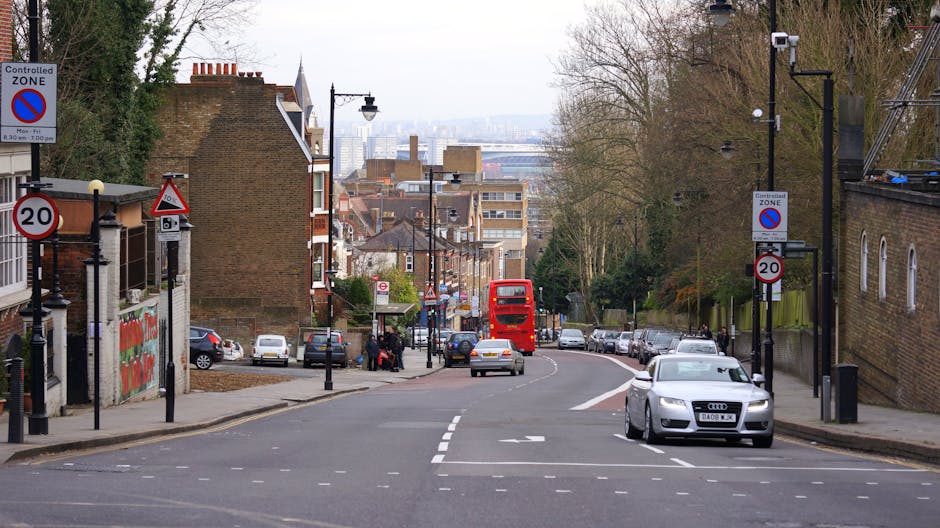
Choumert Road sits in a busy part of Peckham where everyday traffic, parked cars, and narrow residential access can all affect a move. Even when the journey itself is short, the last 20 metres from van to front door can be the hard part. That is why access planning matters so much. It is not just about where the vehicle can stop; it is about how easily the crew can load, unload, and keep the move safe.
On streets like this, the practical questions are rarely dramatic, but they are important. Can a van park close enough to avoid long carries? Is the entrance shared? Are there steps, tight hallways, or a first-floor flat with no lift? Will another vehicle block the space at the exact moment you need it? If you have ever watched a move stall because someone could not get a sofa through a corridor, you already know the answer.
Access is also about timing. A street that feels manageable at 10 a.m. may feel much tighter at school-run time or in the late afternoon. You do not need to overthink it, but you do need a realistic plan. That is the difference between a tidy move and a sweaty one.
How Choumert Road man and van access tips Peckham Works
A man and van move is usually straightforward: the vehicle arrives, items are loaded, transported, and unloaded at the destination. But on a road like Choumert Road, the workflow becomes much smoother when access has been thought through beforehand.
The process usually starts with a quick review of the property and the street. A good mover will want to know whether the property is a flat, whether the van can stop directly outside, and whether there is enough space for safe handling of furniture and boxes. If the van needs to park a little further away, that is not a disaster. It just changes the timing and the labour involved.
Here is the important part: access does not mean perfection. It means understanding the route from the property to the vehicle and reducing friction where you can. In practice, that may involve reserving a parking space with local permission where appropriate, arranging someone to be available at the door, or moving smaller items first so the heavy pieces do not wait around.
If you are comparing services, it can help to read the site's man and van service overview alongside the pricing and quotes information. That gives you a clearer sense of what is included, what may affect cost, and how access conditions are likely to change the job.
Key Benefits and Practical Advantages
Planning access properly is not just about avoiding stress. It has real practical benefits, especially on local Peckham moves where speed and coordination matter.
- Less wasted time: the closer the van can get, the faster loading and unloading happen.
- Lower risk of damage: shorter carries usually mean fewer bumps, scrapes, and awkward turns.
- Smoother communication: everyone knows where to meet, where to park, and what to move first.
- Better cost control: when access is clear, the job is easier to estimate more accurately.
- Less physical strain: long carries are tiring, and moving day already does enough of that on its own.
There is another advantage that people sometimes miss. Good access planning reduces decision fatigue. On the day, you are not constantly asking, "Can the van go there?" or "Should we move that now?" Instead, the move has a rhythm. And honestly, that rhythm is what turns a chaotic morning into something manageable.
For larger households, older furniture, or awkward items, it is worth considering related support such as furniture removals or even home moves if the move is more than a quick collection. If the property is a flat with limited access, flat removals may be the more suitable fit.
Who This Is For and When It Makes Sense
This advice is for anyone moving in or around Choumert Road who wants the day to feel organised rather than improvised. It is especially useful if you are:
- moving from a flat or maisonette with tight access;
- collecting bulky furniture from a shop, storage unit, or friend's house;
- booking a man with a van for a same-day job;
- planning a student move with boxes, bags, and a few pieces of furniture;
- sorting out a business move where timing matters;
- trying to avoid long carrying distances on a busy street.
It also makes sense if you are the kind of person who likes to know what will happen before the van arrives. Some people are fine winging it. Others want to know exactly where the vehicle will sit, which door to use, and whether the largest sofa is going to fit through the stairwell. Fair enough, really.
If your move is simple, these tips will still help. If your move is complicated, they may save the day. There is a reason experienced crews ask about access early. They have seen how one missing detail can ripple through everything else.
Step-by-Step Guidance
Use this practical process to prepare a Choumert Road man and van move with less stress and fewer surprises.
- Walk the route from door to van. Count steps, note kerbs, check for tight corners, and look for anything that could slow down carrying.
- Measure the awkward bits. Door widths, hall turns, stair landings, and lift sizes matter more than people expect.
- Identify parking realistically. Work out whether the van can stop close by without causing a hazard or blocking the street.
- Separate items by priority. Pack the things you need first in a clearly labelled group so they are easy to grab.
- Keep one area clear for loading. A small staging area near the entrance makes a huge difference.
- Tell the mover about anything unusual. Low ceilings, shared entrances, long carries, delicate items, or access codes should all be mentioned early.
- Plan for traffic and neighbours. If a road is especially busy, a slight time shift can make the move much easier.
- Protect the property and the item. Use blankets, tape, corner guards, or wrapping where needed.
- Finish with a final sweep. Check cupboards, lofts, under beds, and behind doors before the van drives off.
A little planning goes a long way. Really, it does. The moment you create a simple path from inside to outside, the whole job becomes more predictable.
Expert Tips for Better Results
In our experience, the best moves are the ones that feel slightly boring. That sounds odd, but it is true. Nothing dramatic happens because somebody checked access, labelled boxes, and warned the driver about a tight stairwell. That is the point.
Here are the details worth paying attention to:
- Put the heaviest items closest to the exit first. This reduces dragging items through the flat at the end.
- Use visible labels. A quick note like "kitchen," "fragile," or "last out" saves time when the pressure rises.
- Keep essentials separate. Documents, keys, chargers, and kettle supplies should not disappear into a random box.
- Leave a clear landing zone. The final few metres to the van should be as uncluttered as possible.
- Be honest about access. If the parking is awkward, say so. If there are stairs, say so. Nobody benefits from a surprise.
- Expect a bit of noise and movement. Moving day is not a library. Doors will close, trolleys will roll, and someone will probably mutter "careful with that side" at least once.
If your move involves fragile or valuable items, it can be sensible to look at packing and boxes or packing and unpacking services. For awkward or valuable upright items, piano removals are a specialist option rather than a generic lift-and-go job.
Common Mistakes to Avoid
A lot of moving-day problems come from the same handful of errors. The good news is that nearly all of them are preventable.
- Assuming the van can park anywhere. Streets are not always as forgiving as they look from the pavement.
- Forgetting about stair width. A sofa that fits in the room may still hate the staircase.
- Not telling the mover about access issues. The driver cannot plan for what they do not know.
- Leaving packing too late. Half-packed boxes slow everything down and usually create stress at the worst moment.
- Blocking hallways with loose items. That only makes carrying harder and increases the chance of knocks.
- Misjudging timing. A five-minute delay can snowball when parking is tight.
One especially common mistake is treating access as a minor detail. It is not. On a local street, access can be the main event. The move itself may be easy; the approach to the door may be the tricky bit.
Tools, Resources and Recommendations
You do not need specialist gear for every move, but a few simple tools can make a noticeable difference.
- Measuring tape: useful for doors, furniture, lifts, and stair landings.
- Marker pens and labels: essential if you want to stay organised.
- Furniture blankets or covers: helpful for preventing scuffs.
- Strong tape: keeps boxes shut and protects loose wrapping.
- Gloves and sensible footwear: sounds basic, but it matters more than people admit.
- A phone list of key contacts: handy for letting people know about delays or access changes.
For service options beyond a simple single-item move, the site pages for removal services, removal van, and removals can help you decide how broad a service you actually need. If your move is tied to a deadline or a lease handover, same-day removals may also be worth considering where available.
Law, Compliance, Standards, or Best Practice
For a local move, the main compliance issues are usually practical rather than dramatic. You are not dealing with complicated paperwork for every box, but you should still follow sensible UK best practice.
Parking and loading should be done safely and considerately. If a vehicle needs to stop in a restricted or sensitive area, the mover and customer should think carefully about whether that is permitted and whether another arrangement is safer. On residential streets, blocking driveways, footways, or access routes is obviously not ideal. Common sense counts here.
It is also sensible to check that the company you are using is clear about safety and insurance. The site's insurance and safety information and health and safety policy are useful places to understand how a provider approaches risk, handling, and careful work. That kind of transparency matters. A lot, actually.
Other useful trust pages include the terms and conditions, payment and security, and privacy policy. They are not glamorous reading, but they help set expectations, which is exactly what you want before anyone starts lifting heavy furniture in a tight hallway.
Options, Methods, or Comparison Table
Not every move needs the same setup. Here is a simple comparison to help you decide what level of help fits the job.
| Approach | Best for | Pros | Watch out for |
|---|---|---|---|
| Single man and van | Small moves, collections, light flat moves | Flexible, usually quick, simple to organise | Less ideal for very heavy or bulky loads |
| Two-person move | Furniture, stairs, heavier household items | Safer handling, faster lifting, less strain | May cost more than a one-person job |
| Specialist removal service | Full-house or complex moves | Better for planning, larger loads, awkward access | May be more than you need for a small job |
| Storage-first approach | Gap between moving out and moving in | Reduces rush, helps if dates do not line up | Requires extra planning and coordination |
If you are unsure where your move sits on that scale, think about the heaviest item, the longest carry, and whether access is awkward. Those three points usually tell the story.
Case Study or Real-World Example
Imagine a typical Peckham move on Choumert Road: a one-bedroom flat, a sofa, a bed frame, six boxes of books, a bike, and a few kitchen bits. Nothing outrageous. But the entrance is on a narrow stretch of road, parking is already half taken, and the flat is on the second floor with a turn in the stairwell.
The easiest version of this move would be organised in layers. First, the customer clears the hallway so the crew has a clean path. Second, the heaviest items are identified in advance. Third, the van is booked with access in mind, not just transport. If the vehicle needs to pause a short distance away, the team knows about it before arriving. No one is surprised. No one is annoyed. Well, maybe a little tired by the end, but that is moving day for you.
Now compare that with a less prepared version. Boxes are still being sealed when the van arrives. The hallway is full. Nobody is sure which entrance to use. The sofa was measured "roughly," which is never as useful as it sounds. The result? More carrying, more time, more stress, and a greater chance of bumping something you would rather keep intact.
The difference is rarely about strength. It is about preparation. Slightly dull preparation, yes, but very effective.
Practical Checklist
Use this before your move so the day starts properly.
- Confirm the exact address and entrance to use.
- Check parking options near Choumert Road.
- Measure doors, stair turns, and large furniture.
- Tell the mover about steps, lifts, or long carries.
- Label boxes by room and priority.
- Set aside essentials you want to keep with you.
- Clear hallways, landings, and doorways.
- Wrap delicate furniture or glass where needed.
- Keep keys, codes, and contact details ready.
- Do one final room-by-room check before departure.
If you want a more structured home move rather than a one-off job, it can help to compare house removals with house removalists so you can judge what level of service feels right for the size and complexity of the move.
Conclusion
Good Choumert Road man and van access tips Peckham are really about one thing: removing uncertainty before moving day arrives. Once you know where the vehicle can stop, how the load will travel, and what obstacles might slow things down, the whole process feels more manageable. You do not need a perfect street, only a realistic plan.
To be fair, most moving stress comes from guesswork. Replace guesswork with a few measurements, honest communication, and a bit of street-level common sense, and you are already ahead. That is especially true in Peckham, where the difference between an easy move and a sticky one can come down to parking, timing, and whether that wardrobe can turn the corner without a fight.
For bigger or more specialised moves, it may also be worth looking at storage if your dates do not line up, or student removals if you are working with a smaller load and a tighter budget. And if you want to understand the company behind the service, the about us page gives helpful context.
Get a free quote today and see how much you can save.
When the van pulls up and the first box moves cleanly through the door, the relief is almost physical. That's the good stuff, and it starts with access done properly.
Frequently Asked Questions
What are the most important Choumert Road man and van access tips Peckham residents should know?
The main priorities are parking, entrance access, stair or lift use, and the distance between the van and the front door. If you check those four things early, you avoid most of the common delays.
Can a man and van usually park right outside on Choumert Road?
Sometimes yes, sometimes no. It depends on traffic, existing parked cars, local restrictions, and the time of day. It is better to plan for a realistic stopping point rather than assume a perfect one.
How do I know if my flat has awkward access?
If you have narrow stairs, tight corners, a small lift, shared hallways, or a long walk from street to door, the access is likely awkward enough to mention in advance. If you are wondering about it, that is already a clue.
Should I measure furniture before booking?
Yes. Measure the longest, widest, and tallest items, especially sofas, beds, wardrobes, and anything with rigid corners. A few minutes with a tape measure can save a lot of guessing.
Does poor access make the move more expensive?
It can, because it may take longer or require more handling. That said, the exact effect depends on the job and the provider's pricing structure, so it is best to ask for a clear quote based on the real access conditions.
What should I tell the mover before moving day?
Tell them about parking limitations, steps, lifts, narrow entrances, heavy items, and anything fragile or unusual. The more accurate the information, the better they can prepare.
Is same-day booking a bad idea for Choumert Road moves?
Not always, but it is less forgiving if access is tight. Same-day jobs work best when the load is small, the route is simple, and the pickup point is easy to reach.
What if the van cannot stop close to my front door?
Then the team may need to carry items a little further. That is manageable for most moves, but it is useful to know in advance so the time and labour can be planned properly.
Do I need special help for bulky furniture or fragile items?
For bulky or delicate items, yes, specialist handling is often worth it. Services such as furniture removals or piano removals are more suitable than treating everything like standard boxes.
How can I make the moving day quicker?
Pack early, label clearly, clear walkways, and keep the most important items easy to reach. Small decisions like these shave off delays one by one. It sounds obvious, but it really works.
Are there any policies I should read before booking?
It is sensible to review the company's terms and conditions, insurance and safety information, and pricing details. Those pages help you understand how the service works and what to expect if something changes.
What if I need temporary space between moving out and moving in?
Storage can bridge that gap neatly. It is often the calmest solution when dates do not line up or when you want to move in stages rather than all at once.