Eco disposal and recycling for Peckham removals
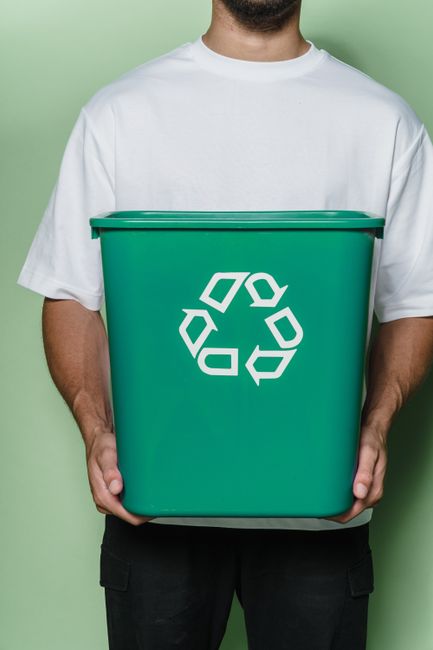
Moving home or office in Peckham is rarely just about boxes and vans. There is always the extra layer: old furniture that no longer fits, broken bits from the shed, a pile of mixed packaging, and those awkward items you meant to deal with ages ago. Eco disposal and recycling for Peckham removals is about handling all of that properly, so less ends up in landfill and more gets reused, repaired, or recycled. That makes the move cleaner, calmer, and, frankly, less wasteful.
If you are trying to move efficiently without creating a mountain of rubbish, you are in the right place. This guide explains how responsible disposal works, what to separate, what to keep, where the real benefits are, and how to avoid the common mistakes that lead to wasted time and unnecessary cost. It also covers the practical side of removals, from removals and furniture removals to packing, recycling, and the final sweep-through when the property is almost empty. Let's get into it.
Why Eco disposal and recycling for Peckham removals Matters
The short version? Because a move creates waste whether you want it to or not. Packaging, damaged furniture, mixed household items, old office contents, and things you no longer need can pile up quickly. If you deal with all of it in one rushed go, it is easy to fall into the usual trap: chuck it all together and hope for the best. That is rarely the best outcome for the environment, your budget, or your stress levels.
Peckham, like much of inner London, tends to reward people who plan a little ahead. Space is tight, access can be awkward, and disposal decisions are often made at the last minute in a hallway full of half-packed boxes. Eco disposal helps you slow that down. It gives you a sensible order: keep, donate, reuse, recycle, dispose.
There is also a trust angle here. A responsible move is not just about getting items out of the property. It is about knowing where those items are going next. Good practice means separating reusable furniture from damaged waste, making sure recyclables are not contaminated, and avoiding the kind of messy disposal that creates problems later. If you are arranging a move with a provider, checking their recycling and sustainability approach is a very sensible first step.
And then there is the human side. Many people in Peckham are moving because life is changing: a first flat, a growing family, a new job, an office relocation, a downsizing decision. In those moments, it helps if the move feels lighter rather than heavier. Honestly, that can be the difference between a move that feels manageable and one that feels like a week-long headache.
Expert summary: Eco disposal is not about being perfect. It is about making better decisions with the items you are already moving, so reuse and recycling happen before disposal becomes the default.
How Eco disposal and recycling for Peckham removals Works
In practice, eco disposal is a process, not a single action. You sort items before the move, decide what should travel with you, and identify what can be reused, donated, recycled, or responsibly collected for disposal. The best time to do this is before packing gets frantic. The second-best time is still before packing gets frantic. That sounds obvious, but to be fair, most people only realise it when the boxes have already started taking over the room.
1) Sort items by destination
The first pass is simple. Put everything into broad groups:
- Keep - items you are taking to the new place.
- Reuse - items you no longer need, but someone else could use.
- Recycle - clean materials that can enter the recycling stream.
- Dispose - damaged, contaminated, or non-recyclable items.
This stage is where you spot the surprises. That bookcase you thought was fine may have a swollen base from damp. The lamp may work, but the wiring is tired. The box of mixed cables may be part useful, part mystery. Sorting early prevents you from paying to move things you should have removed first.
2) Separate reusable items from waste
Items in decent condition often deserve a second life. Furniture, kitchenware, homeware, office chairs, and storage pieces can often be reused if they are structurally sound and clean. If an item is only slightly worn, it may be better to move it on than to send it straight for disposal. One small scratch is not the end of the world.
Where furniture is too bulky for your new place but still usable, a service such as furniture pick up can be a practical way to keep good items in circulation instead of treating them as waste.
3) Handle recyclable materials carefully
Recycling only works well when the materials are suitable and reasonably clean. Cardboard should be dry. Paper should not be soaked or heavily food-stained. Plastic and metal packaging should be emptied where possible. Mixed material items are trickier, because one piece may contain several material types that need separating. That is one reason moving day recycling can get messy if nobody checks things properly.
A very ordinary example: a flat move in Peckham where the kitchen is full of delivery boxes, a broken laundry basket, and an old toaster. The boxes can be flattened and recycled if clean. The basket may be recyclable depending on its material. The toaster likely needs electrical waste handling, not general binning. Small detail, big difference.
4) Plan transport and collection
Once you know what is staying, what is going, and what is being recycled, the next step is getting it moved in the right way. Depending on volume and access, that may involve a man and van, a larger removal van, or a more comprehensive removal service. The point is not just transport. It is careful handling, efficient loading, and fewer trips.
5) Confirm the end destination
Responsible disposal means knowing where things are going. Reuse items should go to someone who can genuinely use them. Recyclables should go into the correct stream. Non-recyclable waste should be dealt with through a lawful route, not a shortcut. If a provider cannot explain this clearly, that is a bit of a red flag.
Key Benefits and Practical Advantages
Eco disposal and recycling is not just about feeling virtuous. It has concrete benefits that show up during the move itself, and sometimes after it too.
Less clutter, less stress
Every item you remove before moving day is one less thing to lift, wrap, label, carry, and unpack. That sounds small, but it adds up fast. A cleaner move-out means fewer things in the way and fewer decisions under pressure.
Lower transport demand
When you dispose of or recycle items in advance, the load becomes more manageable. That can reduce the number of van runs or the size of vehicle you need. For some households, it also makes same day removals feel far less chaotic, because the "junk" has already been dealt with.
Better use of valuable items
Reusing or donating furniture and household goods means useful items stay useful. That is the simple win. A perfectly serviceable table should not always end up treated like rubbish just because the colour is wrong for your new place.
Cleaner packing and better organisation
Once you have removed the obvious waste, packing becomes much more focused. You are left with items you actually intend to keep. That improves labelling, reduces accidental packing of unwanted clutter, and makes unpacking less annoying. You know the feeling when you open a box six months later and wonder why you moved three spare chargers and a broken hairdryer. Exactly.
More suitable for different move types
Eco disposal is useful whether you are moving a studio, a family home, or a business. It fits well alongside home moves, flat removals, office removals, and smaller tailored jobs. If you are dealing with large furniture or a full clear-out, it also pairs neatly with furniture removals.
| Approach | Best for | Main advantage | Watch out for |
|---|---|---|---|
| Reuse or donate | Good-condition items | Extends item life | Items must be clean and usable |
| Recycle | Clean cardboard, paper, metals, some plastics | Reduces landfill | Contamination can spoil recycling |
| Responsible disposal | Damaged or non-recyclable waste | Proper end-of-life handling | Needs lawful collection and sorting |
Who This Is For and When It Makes Sense
Eco disposal is useful for almost anyone moving in Peckham, but some situations benefit more than others.
Home movers with surplus furniture
If you are upgrading, downsizing, or moving into a home with different proportions, you will probably have items that no longer fit your space. That is especially common with wardrobes, sofas, shelving, and bedside units. Before you move them by default, ask whether they still earn their place.
Flat movers dealing with tight access
Peckham flats can mean stairwells, narrow hallways, and limited storage. In those situations, every item matters. Eco disposal helps reduce loading time and avoids filling the van with things that should have been removed earlier. It also keeps things a bit calmer for neighbours and building access, which is never a bad thing.
Students leaving term-time accommodation
Student moves can be tiny in square footage but oddly heavy in clutter. The classic mix is clothes, cheap furniture, books, cables, old kitchen bits, and packaging from flat-pack purchases. If that sounds familiar, then you already know why a quick sort before moving day pays off. Services like student removals often go smoother when unnecessary items are removed first.
Businesses and home offices
For office relocations, eco disposal is especially relevant. Old stationery, redundant equipment, worn chairs, filing clutter, and packaging can easily overwhelm a move if no one filters them first. A careful approach supports a cleaner transition and less waste overall. It also works well with commercial moves and office relocation services.
People clearing inherited or long-occupied properties
Sometimes the need is less "moving house" and more "sorting a lot of life at once". If you are clearing a property with decades of accumulated items, eco disposal gives structure to the process. It helps you make decisions without rushing straight to the skip mentality.
Step-by-Step Guidance
Here is a practical process you can follow without needing a complicated system.
- Walk through every room
Make a quick note of furniture, packing waste, broken items, reusable goods, and anything you no longer want. Keep it simple at first. No need to overthink every mug.
- Group items by material and condition
Separate cardboard, paper, metals, textiles, electronics, and bulky furniture. Then separate anything reusable from anything that is damaged or dirty.
- Decide what stays in the move
If you would not choose to buy it again, pause before packing it. That one question clears out more clutter than people expect.
- Book the right removal support
Choose the appropriate vehicle and manpower for the job. A smaller job might suit man with van support, while larger loads may need a moving truck or broader removal companies support.
- Pack recyclables separately
Keep clean cardboard flat, bag mixed waste responsibly, and do not put recycling and general rubbish together just to save a minute. It creates problems later. Always does.
- Label donation and reuse items clearly
If a piece is being handed on to someone else, label it as such. This reduces confusion on moving day and prevents good items from being mixed with waste.
- Do a final sweep
Check cupboards, loft spaces, under beds, behind radiators, and the back of utility shelves. People are amazed at what appears in the last ten minutes. Usually not in a good way.
- Confirm the disposal route
Ask where items are going and whether they will be reused, recycled, or disposed of appropriately. Clear answers matter here.
Expert Tips for Better Results
A few small habits can make eco disposal much easier.
- Start with the hardest room first. If you leave the loft, shed, or storage cupboard until the end, it becomes a scramble.
- Do not recycle dirty items. Food-stained cardboard or greasy packaging can contaminate otherwise good material.
- Keep a "maybe" pile. This is useful for items you are unsure about. Review it once more before moving day.
- Use box reuse where sensible. Clean boxes can often be reused for the move itself. It saves money and materials.
- Take photos of bulky items before collection. If you are unsure whether something is reusable or simply worn out, a photo helps you assess condition objectively.
- Think in layers. First remove obvious waste, then move to mixed items, then fine-tune the rest. It is easier than trying to solve everything at once.
A little detail here goes a long way. One well-planned sort can save you from carrying unnecessary weight downstairs at 7am while the kettle is still not boiled and nobody has had breakfast. Not ideal.
Common Mistakes to Avoid
Most moving-day disposal mistakes are simple, which is exactly why they keep happening.
Leaving sorting until the day before
This is the big one. Once time is tight, people start making emotional decisions instead of practical ones. Everything suddenly becomes "just take it" or "we will deal with it later". Later usually means clutter.
Mixing recyclables with general waste
One dirty bin bag can ruin a small batch of otherwise clean recycling. Separate waste streams properly and keep them dry where you can.
Moving items you already know you do not want
It sounds obvious, but people do this all the time. If you know the chair is broken and you do not intend to repair it, move it out before move day rather than paying to transport it twice.
Assuming all old furniture is waste
Sometimes the item is old, not useless. A solid table, bookcase, or sofa may still have value to another household. Reuse first, dispose second.
Forgetting hidden storage areas
Under-sink cupboards, loft spaces, garden sheds, and drawer backs are where forgotten stuff lives. It is amazing, really. Slightly alarming, but amazing.
Not checking service suitability
Not every move needs the same setup. Some people only need help with heavy items. Others need a fuller solution that includes packing support. If you need extra help with wrapping and sorting, packing and boxes support can reduce waste and keep everything cleaner.
Tools, Resources and Recommendations
You do not need a complicated kit. A few basics make the process much smoother:
- Three or four clearly labelled bags or boxes for keep, recycle, donate, and dispose.
- Marker pens and tape for labelling items and cartons.
- Flat-pack dismantling tools such as a screwdriver or hex key, especially for furniture that can be broken down before removal.
- Protective gloves if you are sorting older storage spaces or handling dusty items.
- Reusable crates or boxes where practical, especially for sturdy household goods.
For moves that involve wrapping, odd-shaped items, or a lot of mixed contents, it can also help to use packing and unpacking services. That is not just a convenience thing. It can reduce breakage, keep recyclable materials separate, and make the whole process feel a lot less chaotic.
Another sensible option for larger or more structured jobs is removal services with a clear sustainability approach. If the job is mainly a single bulky item or a smaller set of furniture, a targeted service may be enough. For a full home or office move, broader support is usually easier.
Law, Compliance, Standards, or Best Practice
When disposal is involved, a careful approach matters. In the UK, waste must be handled lawfully and responsibly. You do not need to become an expert in regulations to move house, but you should expect any professional helping with disposal or recycling to behave in a way that is safe, traceable, and sensible.
As a practical rule, a reputable provider should be able to explain where waste goes, how reusable items are separated, and how potentially sensitive items are handled. If they are vague about that, treat it cautiously. Best practice is simple: keep records where needed, avoid fly-tipping risks, and do not hand over waste to anyone who seems unclear about the process.
Health and safety matters too, especially for heavy lifting, stairs, and awkward furniture. If you are arranging collection of bulky items, it is worth checking a provider's health and safety policy and insurance and safety information. That is not being fussy; it is being sensible.
For business moves, the compliance bar is often higher because there may be items like filing cabinets, office equipment, or storage materials that need organised handling. In those cases, a structured service and clear communication are especially useful. And yes, security matters too. If you are booking online or handling payments, a provider should be transparent about payment and security.
Options, Methods, or Comparison Table
Different situations call for different disposal methods. The right choice depends on item condition, volume, access, and how quickly you need things gone.
| Method | Best use | Pros | Cons |
|---|---|---|---|
| Reuse / donation | Good-condition furniture and household items | Extends item life, avoids waste | Needs planning and acceptable condition |
| Recycling | Clean, separable materials | Lower environmental impact | Not all materials are accepted |
| Bulky item collection | Large items that are hard to move | Convenient, efficient | Needs careful sorting |
| Full removal support | Whole-property moves with waste and furniture | More organised, less physical strain | May cost more than a DIY approach |
If you are deciding between a lighter DIY clear-out and a more complete removal package, think about time, access, and physical effort. A top-floor flat with a sofa, bed base, broken wardrobe, and mixed recycling is not the same as taking three bags to a local drop-off point. Different jobs, different levels of help.
Case Study or Real-World Example
Here is a realistic example from a typical Peckham move. A couple in a two-bedroom flat were relocating across south London. The property had a decent sofa, a dining table with one damaged chair, several boxes of books, mixed household recycling, and an old set of shelves that had seen better days.
Instead of packing everything first and sorting later, they did a pre-move walkthrough. The sofa and table were kept. The good chair and shelves were separated for reuse or responsible collection. Cardboard boxes were flattened and stacked dry. Small electrical items were grouped separately. Broken bits and non-recyclable waste were identified before the van arrived.
The result was straightforward: fewer items were loaded, the move took less time than expected, and the new flat did not begin life with a pile of unnecessary clutter in the corner. The couple also said the unpacking felt easier because they had already made the tough decisions. That is often the hidden benefit. Less emotional drag. Less "we should keep this just in case".
It was not a perfect process, and it did not need to be. A few items were still decided at the last minute. But the move stayed controlled, and that is what matters.
Practical Checklist
Use this checklist before moving day:
- Walk through every room, cupboard, and storage space.
- Separate keep, reuse, recycle, and dispose items.
- Flatten clean cardboard and keep it dry.
- Remove anything broken, outdated, or clearly unwanted before packing.
- Group bulky furniture by condition.
- Label donation and reuse items clearly.
- Check whether you need help with packing or dismantling.
- Confirm the collection method for waste and recyclables.
- Keep heavy or awkward items away from last-minute clutter piles.
- Do one final sweep before keys are handed over.
Practical takeaway: if you sort early, you move less, you waste less, and you usually spend less energy on the day itself.
Conclusion
Eco disposal and recycling for Peckham removals is really about making the move cleaner in every sense. Cleaner rooms. Cleaner decision-making. Cleaner waste handling. It is not about being perfect or saving every item forever. It is about giving good things a second life, recycling what can be recycled, and disposing of the rest in a responsible way.
That approach works whether you are moving from a compact flat, a family home, a student property, or an office space. It reduces clutter, lowers stress, and makes the whole process feel more organised from the start. And that, in a busy area like Peckham, is no small thing.
If you are planning a move soon, start with the items you already know you do not need. The rest gets easier after that. Really, it does.
Get a free quote today and see how much you can save.
Frequently Asked Questions
What does eco disposal mean in a house move?
Eco disposal means sorting unwanted items so reusable goods are kept in circulation, recyclable materials are separated properly, and only the rest is disposed of through a responsible route.
Is recycling always better than disposal during removals?
Usually yes, but only if the item is actually recyclable and clean enough to process. Contaminated materials can do more harm than good, so it is better to sort carefully than to guess.
Can old furniture be reused instead of thrown away?
Often it can. If the item is structurally sound, clean, and safe to use, reuse is usually the first option to consider. If it is broken or unsafe, disposal may be more appropriate.
How do I know what should be recycled before moving day?
Look at the material, condition, and cleanliness. Cardboard, paper, metals, and some plastics are common recycling candidates, but mixed or dirty items may need different handling.
Does eco disposal help reduce moving costs?
It often can. Removing unwanted items before the move may reduce load size, save time, and avoid paying to transport things you did not need to keep.
What should I do with broken electrical items?
Do not put them in mixed household waste. They need separate handling because electrical items often contain components that should be treated differently from ordinary rubbish.
Is it worth booking packing help for a recycling-focused move?
If you have a lot of mixed contents or fragile items, yes. Packing support can reduce breakage, keep recyclable materials separate, and make sorting much easier.
How early should I start sorting for an eco-friendly move?
Ideally a few weeks ahead, especially if you have bulky furniture or several storage areas. Even a short head start makes the final packing stage less frantic.
Can office removals be handled sustainably too?
Yes. Office removals often involve reusable furniture, recyclable packaging, and items that can be separated before transport. A careful plan makes a big difference there.
What is the biggest mistake people make with disposal during removals?
The biggest mistake is leaving everything until the last moment. That usually leads to rushed decisions, mixed waste, and more items being thrown away than necessary.
Should I check a mover's sustainability policy?
Absolutely. It gives you a clearer picture of how they treat reuse, recycling, and responsible disposal. That transparency is useful, especially if environmental handling matters to you.
What if I only have a few bulky items to remove?
Even a small number of bulky items can benefit from proper sorting. If the items are reusable, that may be the best route. If not, a focused collection can still be arranged without turning the whole move into a major operation.